
"Costa Rican exporters"
300 article(s) found

Costa Rican Coffee-introduction of Costa Rican Coffee Flavor Manor
Costa Rican Coffee-Tarrazu in Costa Rica is one of the major coffee producers in the world, with a light and pleasant flavor. Costa Rica, with its fertile volcanic soil and good drainage, is the first country in Central America to grow coffee and bananas for commercial value. Coffee and bananas are the country's main exports. 1729

Characteristics of Costa Rican Coffee beans introduction of Costa Rican coffee beans
Tarrazu in Costa Rica is one of the major coffee producing areas in the world. The coffee produced is light and pure in flavor and pleasant in aroma. Costa Rica, with its fertile volcanic soil and good drainage, is the first country in Central America to grow coffee and bananas for commercial value. Coffee and bananas are the country's main exports. In 1729, coffee was introduced from Cuba to Goth.

Characteristics of Costa Rican coffee beans the origin of Costa Rican coffee beans
Tarrazu in Costa Rica is one of the major coffee producing areas in the world. The coffee produced is light and pure in flavor and pleasant in aroma. Costa Rica, with its fertile volcanic soil and good drainage, is the first country in Central America to grow coffee and bananas for commercial value. Coffee and bananas are the country's main exports. In 1729, coffee was introduced from Cuba to Goth.

Costa Rican Coffee flavour Costa Rican Coffee Taste Manor
S.H.B. It is a very hard bean with an altitude of more than 1500 meters above sea level, which means high quality Costa Rican coffee. This extra-hard coffee bean suitable for medium and heavy roasting has a strong sour taste and charming aroma. Costa Rican SHG coffee is usually full-grained, the flavor is clear, the acidity is bright and the consistency is ideal. The strong flavor makes the tail rhyme reverberate in the throat for a long time.

Features of Fine Costa Rican Coffee Fine Costa Rican Coffee Beans
Coffee is an important source of income for Costa Rica, introduced in 1808 and cultivated for 200 years. Costa Rica, where a third of the population is involved in coffee, Costa Ricans say coffee has transformed the country, making it an affluent environment, and coffee has contributed significantly, even though Costa Rica ranks last in terms of land mass in Central America.

The origin of Costa Rican coffee beans fine coffee of Costa Rican coffee beans
Tarrazu in Costa Rica is one of the major coffee producing areas in the world. The coffee produced is light and pure in flavor and pleasant in aroma. Costa Rica, with its fertile volcanic soil and good drainage, is the first country in Central America to grow coffee and bananas for commercial value. Coffee and bananas are the country's main exports. In 1729, coffee was introduced from Cuba to Goth.
Costa Rican Coffee
Costa Rican coffee is produced in The Republic of Costa Rica in southern Central America. Its coffee quality is similar to that of Colombia coffee, which is suitable for blending mixed coffee. Costa Rica's high latitudes produce coffee beans famous in the world, rich, mild taste, but extremely sour, coffee beans here are coffee beans after fine

Introduction to the characteristics of coffee flavor and taste varieties in Costa Rican Goddess Manor
Coffee was introduced into Costa Rica from Cuba in 1729. Today, its coffee industry is one of the well-organized industries in the world, with a yield of 1700 kg per hectare. Costa Rica has only 3.5 million people but 400m coffee trees, and coffee exports account for 25 per cent of the country's total exports. The volcanic soil of Costa Rica is very fertile and well drained, especially in the central part.

Costa Rican coffee variety Costa Rican coffee bean flavor
Costa Rican coffee is produced in the Republic of Costa Rica (The Republic of Costa Rica) in the south of Central America. Its quality is similar to that of Colombian coffee and is suitable for blending mixed coffee. The coffee beans produced at the high latitudes of Costa Rica are famous in the world, full-bodied, mild in taste, but extremely sour. The coffee beans here have been carefully treated.

Introduction to the characteristics of Costa Rican Fire Phoenix Manor Coffee Flavor
From 1821 to 1870, the Costa Rican regime was mainly controlled by J.R. Morapolas and J.M. In the hands of the two Montealegre families, the economy has developed greatly, and coffee has grown particularly rapidly and become a major export product. From 1855 to 1857, President Morapolas commanded the Costa Rican army and other Central American countries to crush American adventurer W. Volcker's invasion defended

Introduction to the characteristics of Costa Rican St. Roman Manor Coffee with light and pure flavor
Coffee was introduced into Costa Rica from Cuba in 1729. Today, its coffee industry is one of the well-organized industries in the world, with a yield of 1700 kg per hectare. Costa Rica has only 3.5 million people but 400m coffee trees, and coffee exports account for 25 per cent of the country's total exports. The volcanic soil of Costa Rica is very fertile and well drained, especially in the central part.

Gentle and supple Costa Rican Tara Beads Coffee Bean Origin Development History Culture Introduction
Excellent Costa Rican coffee is called extra-hard and can grow at altitudes above 1500 meters. Altitude has always been a problem for coffee growers. Coffee beans are better at higher altitudes, not only because higher altitudes increase the acidity of coffee beans and thus enhance flavor, but also because lower night temperatures at higher altitudes can slow tree growth and thus

Costa Rican Coffee Manor Costa Rican Coffee beans flavour Costa Rica Coffee producing area
Costa Rican coffee is produced in the Republic of Costa Rica (The Republic of Costa Rica) in the south of Central America. Its quality is similar to that of Colombian coffee and is suitable for blending mixed coffee. Coffee is an important economic source of Costa Rica. It was introduced in 1808 and has been cultivated for 200 years. Costa Rica has 1x3 population invested in coffee-related industries.

The treatment method of grinding degree and baking degree of boutique coffee beans in Costa Rican Goddess Manor
Costa Rica has only 3.5 million people but 400m coffee trees, and coffee exports account for 25 per cent of the country's total exports. Costa Rica's volcanic soil is very fertile and well drained, especially in the central plateau CentralPlateau, where the soil consists of successive layers of ash and dust. Costa Rica was therefore the first in Central America because of commercial value

Costa Rican Coffee Manor Costa Rican Coffee Bean flavour Costa Rican Coffee producing area
Coffee is an important economic source of Costa Rica. It was introduced in 1808 and has been cultivated for 200 years. Costa Rica has 1x3 population invested in coffee-related industries. Colombians say that coffee has changed the country and enjoyed a rich environment, and coffee has indeed made an outstanding contribution. Although Costa Rica ranks third from the bottom in terms of land area in Central America, the economic environment is better than half.

Costa Rican Coffee Culture Costa Rica Coffee History
Costa Rica, with a population of only 3.5 million, has 400 million coffee trees, and coffee exports account for 25 per cent of the country's total exports. Costa Rica also benefits from the Central American Society for Agricultural Research (Turrialba of the Central American Agricultural Research Institute, IAAC) in Tarasu, which is an important international research center.

Light and pure sweet Costa Rican Tara pearl boutique coffee bean cultivation geographical location climate elevation
Costa Rican Coffee Brazilian Coffee Fruit Atlas this coffee producer, with 1/3 of all grades and types of coffee consumed, has a place in the global coffee market. Although the natural disasters faced by Costa Rica are several times higher than those in other regions, it has enough acreage to make up for it. There are many kinds of coffee here, but its industrial policy is

Costa Rican coffee bean price Costa Rican coffee bean variety
The coffee beans produced in the high latitudes of Costa Rica are famous in the world, full-bodied, mild in taste, but extremely sour. The coffee beans here have been carefully processed, which is why they have high-quality coffee. Tarasu, located in the south of SanJos, the capital of Costa Rica, is one of the most valued coffee growers in the country. Tarasu (
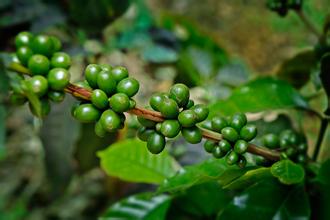
Description of the taste of Costa Rican San Roman coffee beans with a unique and strong flavor
The main competitors for high-quality coffee in Colombia are Kenya, Guatemala and Ethiopia. Coffee production in Brazil and Vietnam is mainly in quantity, which is not enough to pose a threat to high-quality coffee in Colombia. In the next five years, my country plans to increase the export volume of high-quality coffee to 70% of all exported coffee. Costa Rican coffee has full particles, ideal acidity and unique strong flavor. Coffee from Costa Rica